
A quote request lands in your inbox. Customer wants a build similar to the Transit you completed last year. You pull up the spec sheet.
Every component price has changed.
You spend the next two hours tracking down current costs for solar panels, leisure batteries, water systems, flooring, insulation. You compile the numbers. Add labour. Send the quote.
The customer went with someone else three days ago.
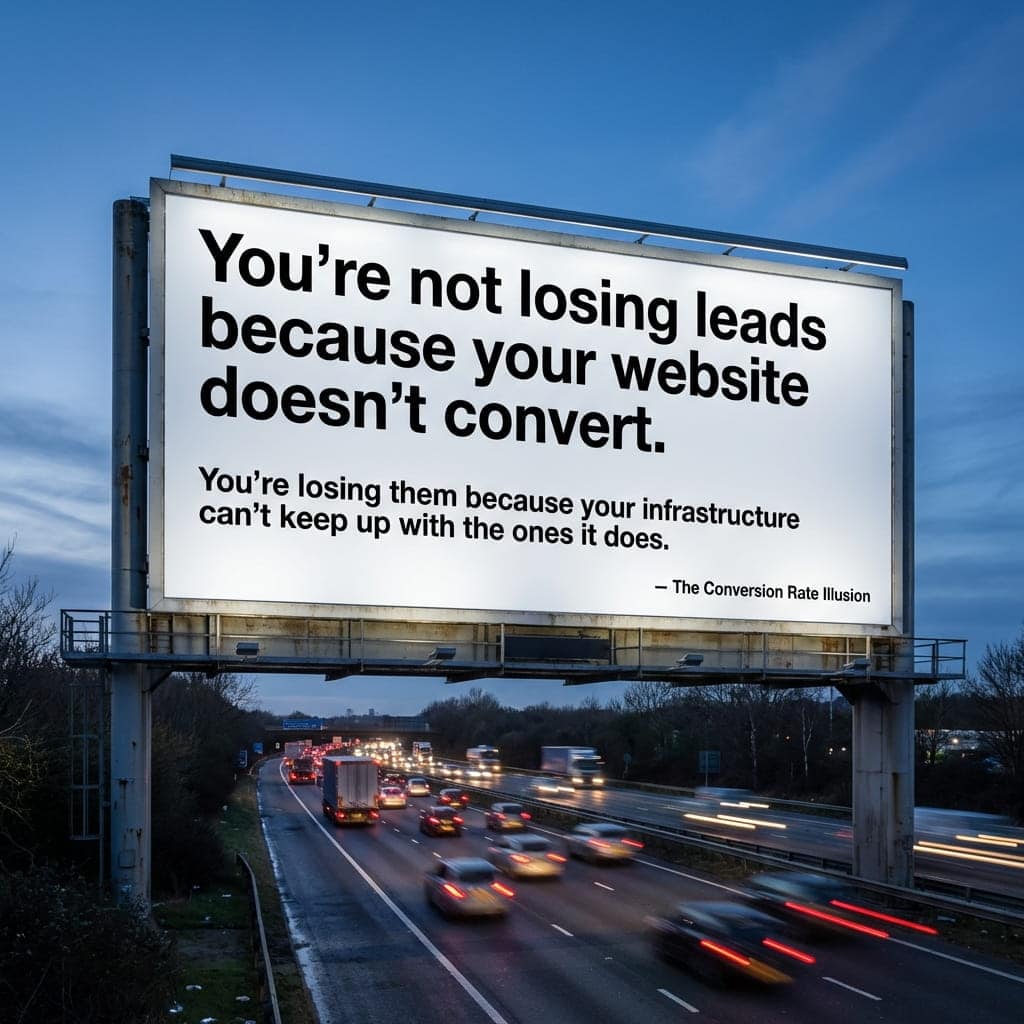
This is the quoting problem that’s costing UK converters work. Not because the builds aren’t good. Not because the prices aren’t competitive. Because speed determines who wins the enquiry.
The 78% Rule
Research shows 78% of customers buy from the company that responds to their enquiry first.
Not the cheapest. Not the most experienced. The fastest.
When someone requests a quote, they’re requesting it from multiple converters simultaneously. The UK campervan conversion market hit £1.5 billion in 2024, with 8% annual growth forecast. More customers means more competition for each enquiry.
Manual quoting creates a structural disadvantage. Whilst you’re checking component prices, another converter is sending their quote. The work goes to whoever gets there first.
Where Converter Hours Actually Go
Most converters entered this industry to build vans. Design layouts. Solve technical problems. Create functional living spaces in metal boxes.
The reality looks different.
Hours disappear into:
- Checking current component prices against outdated spec sheets
- Compiling quotes manually for similar builds with small variations
- Answering the same specification questions across multiple enquiries
- Following up with customers who are still deciding between options
- Coordinating schedules and deposit payments through email chains
This isn’t workshop time. This is administrative friction that keeps you away from the work you actually want to do.
The gap between where your hours go and where you want them to go, that’s the automation opportunity.
How Configurators Close The Gap
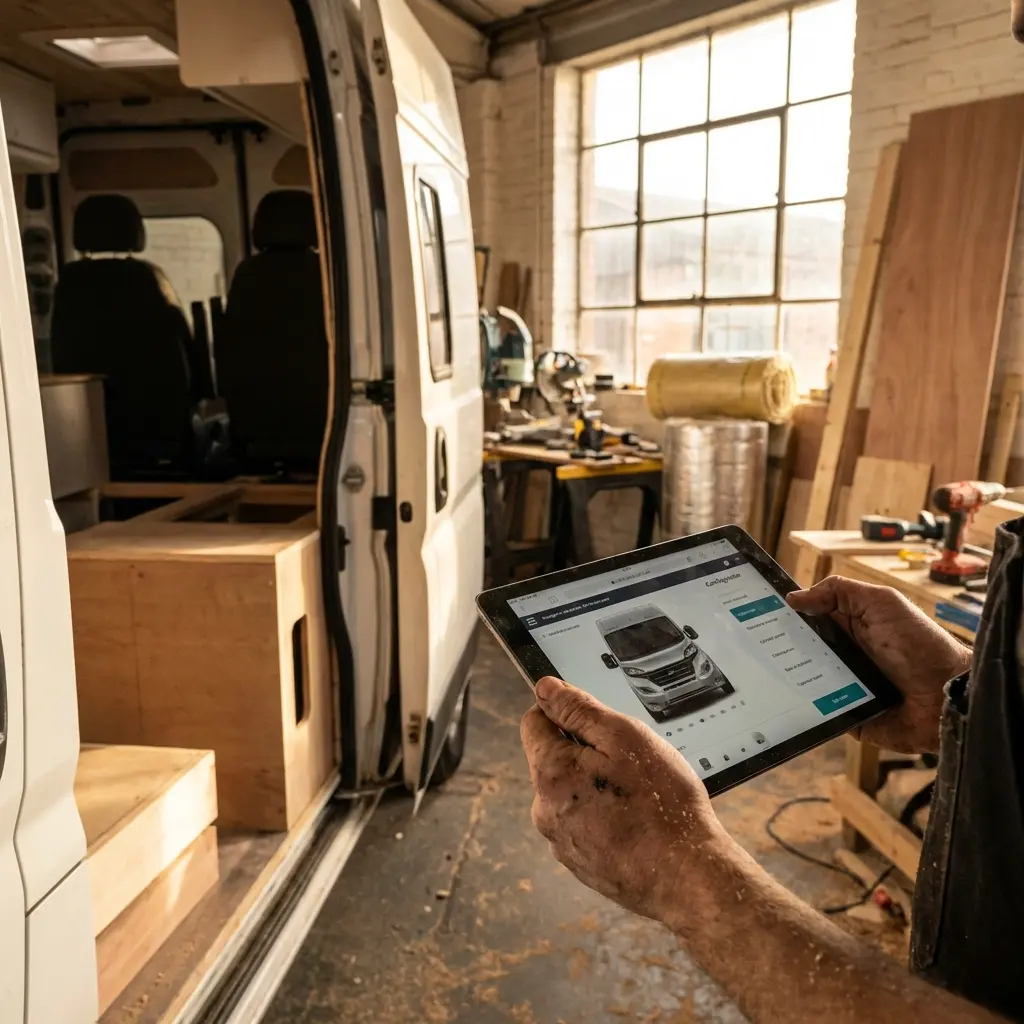
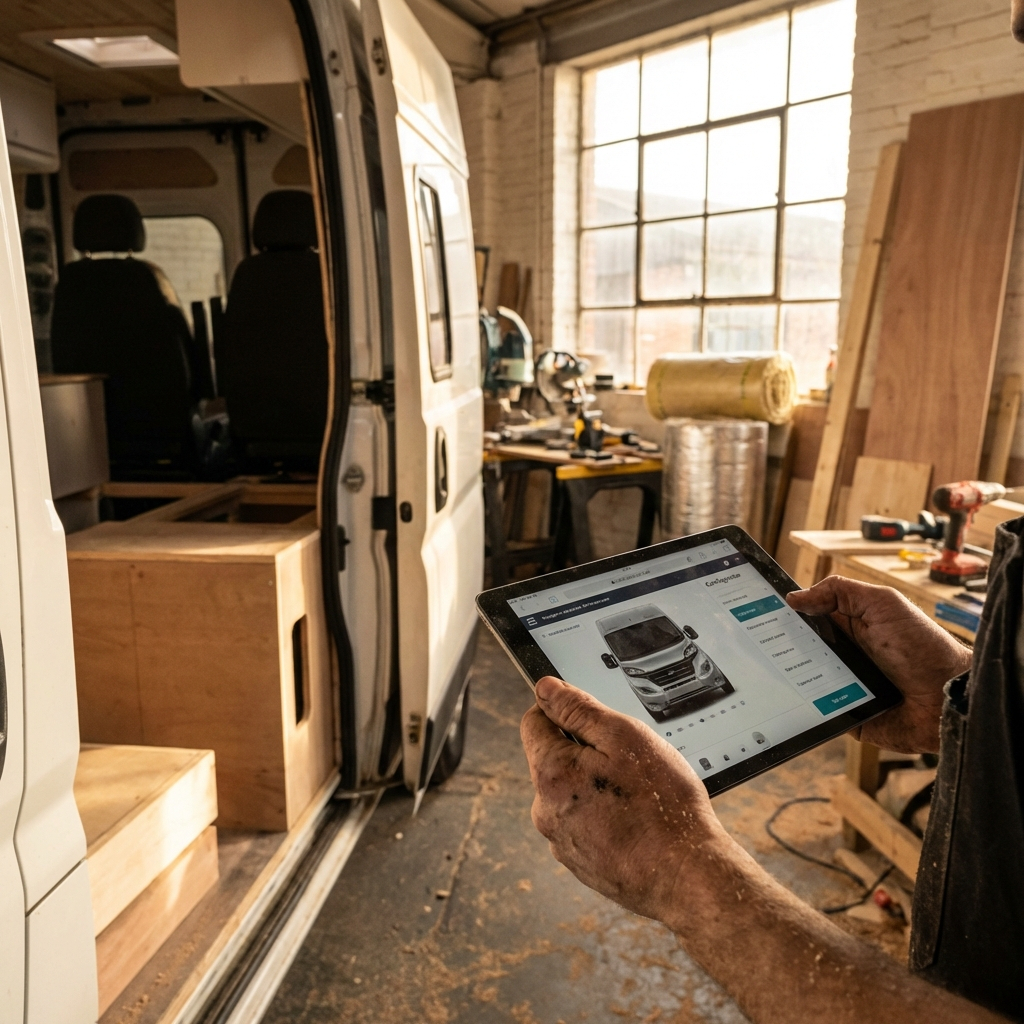
A custom van conversion configurator lets customers build their specification before they request a quote.
They select their base van. Choose their layout. Pick components from your standard offering. See the price update in real time.
When they submit the enquiry, you receive a complete specification with accurate pricing. No manual lookup required. No two-hour delay whilst you compile numbers.
Companies using sales configurators experience a 40% reduction in quote-to-cash time.
More importantly: customers who can personalise products show greater purchase interest. They’re not browsing. They’re building. That psychological shift changes conversion rates.
Vespa increased online orders 6x after implementing their configurator. Einhell saw a 60% sales increase in three months.
These aren’t outliers. Product configurators consistently increase conversion rates by 40% compared to traditional product presentation.
The Five-Minute Window
Speed matters because customer intent decays rapidly.
Leads contacted within 5 minutes are 21 times more likely to convert than leads contacted after 30 minutes. A 1-minute response time can generate 391% more conversions.
The average B2B response time is 42 hours. 55% of companies take five days or more to respond to leads.
If you respond within an hour, you’re 7 times more likely to convert that enquiry than competitors who wait.
Manual quoting makes fast response impossible. You can’t drop workshop work every time an enquiry arrives. You batch the administrative tasks for later.
Later means the customer has already moved on.
Configurators handle the response automatically. Customer gets pricing immediately. You get a qualified lead with complete specifications. No delay. No lost opportunity.
What Automation Actually Looks Like
Start with the quoting workflow.
Customer completes configurator. System generates quote automatically. Email sends with PDF specification and pricing breakdown. Follow-up sequence begins if they don’t respond within 48 hours.
This runs without manual intervention.
Next layer: deposit and scheduling automation.
Customer accepts quote. System sends deposit invoice. Payment processes. Build slot gets assigned based on your calendar. Customer receives confirmation with timeline and next steps.
Still no manual handoffs.
Final layer: progress updates.
Build reaches predefined milestones. System sends update with photos. Customer stays informed. You stay focused on the build.
Each automation removes friction. Each removed friction point saves time. That time compounds.
The Innovation Opportunity
Reclaimed time doesn’t just reduce stress. It creates capacity for higher-value work.
When you’re not compiling quotes manually, you can:
- Test new layout configurations
- Research emerging component technologies
- Refine your build processes
- Develop proprietary solutions that differentiate your conversions
- Create content that attracts better-fit customers
Premium converters don’t compete on price. They compete on innovation and customisation capabilities.
Innovation requires time. Automation creates that time.
Implementation Reality
Building a configurator isn’t a weekend project. It requires proper architecture.
You need:
- Component database with current pricing
- Configuration logic that prevents invalid combinations
- Pricing engine that calculates accurately
- Integration with your quoting and scheduling systems
- Mobile-responsive interface
The technical requirements are real. But the alternative, continuing to lose enquiries to faster competitors, costs more.
Some converters start smaller. Basic automation sequences that handle enquiry follow-up. Scheduling tools that reduce coordination overhead. Email templates that speed up common responses.
These create immediate time savings. They also build the foundation for more sophisticated automation later.
Market Positioning Through Speed
The UK campervan market is maturing. Motorhome registrations increased 20.2% in 2024. Used motorhome transactions are up 37% year-on-year.
More customers means more converters competing for work.
Speed becomes a competitive moat. Customers remember which converter responded first. They remember which one made specification decisions easy. They remember which process felt efficient.
Manual operations can’t match automated speed. The gap widens as enquiry volume increases.
Converters who build this infrastructure now establish an advantage that compounds. Later adopters face steeper implementation costs and stronger competition.
The Compounding Returns
Automation investment pays back in stages.
Stage one: Time saved on repetitive tasks. Hours reclaimed each week.
Stage two: Higher conversion rates from faster response times. More enquiries become deposits.
Stage three: Capacity for innovation. Better builds. Stronger differentiation.
Stage four: Market positioning. Known for efficiency and responsiveness. Better customers. Higher margins.
Each stage builds on the previous one. The returns compound.
The converter who implements automation today gains time immediately. That time gets redirected into work that generates more value. That value attracts better customers. Those customers pay for premium work.
The converter who waits loses twice. First in current enquiries going to faster competitors. Second in future market position as the gap widens.
What This Means For UK Converters
The campervan conversion market isn’t shrinking. It’s growing at 8% annually with strong replacement demand.
Competition is intensifying. Customer expectations are rising. Speed determines who wins the enquiry.
Manual quoting creates structural disadvantage. You can’t respond fast enough. You can’t scale efficiently. You spend time on administrative work instead of building vans.
Configurators and workflow automation remove that friction. Customers get instant pricing. You get qualified leads with complete specifications. Response time drops from hours to seconds.
The infrastructure investment is real. The alternative… continuing to lose work to faster competitors, costs more.
This isn’t about technology for its own sake. It’s about protecting what matters: the workshop time, the creative work, the actual conversions.
Automation handles the repetitive work quietly. You focus on building better vans.
That’s the opportunity UK converters are capturing now.